Hemp Lotion Benefits Ultimate Natural Skincare
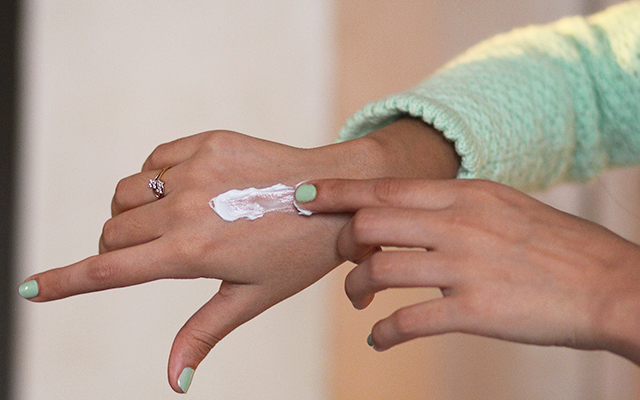
 Hemp oil is an excellent natural emollient and moisturizer (lotions and cosmetics), because of its Essential Fatty Acid (EFA) content. EFAs do not clog up pores like saturated fats do. EFAs can be absorbed into the cells, which enables skin cells to communicate, and repair skin cell membranes resulting in softer, smoother, and more moisturized skin.
Hemp lotions with added cannabidiol oil (CBD) are experiencing exponential sales due to recent research into the benefits of cannabinoids.
Most moisturizing products on the market are made from saturated oils, which are not absorbed by the skin cells, but only coat the surface, but do nothing to prevent further moisture loss.
Skin care products with hemp oil help restore dry and damaged skin, increase the natural moisture retention capacity while slowing down skin ageing. Hemp skin care products are excellent for broken or damaged skin and are useful for sufferers of eczema, psoriasis, and mastalgia (breast pain).
EFAs also allow hemp hair care products to bring gloss and manageability by relieving dry scalp or hair loss and damage brought on by blow dryers, chemical perms, colouring and sunlight with moisturization. Hemp seed oil provides the proper balance of essential nutrients needed for strong healthy hair. Hair is often damaged and stripped of its natural lipid coating, which makes hair brittle and lack lustre. Hemp seed oil helps revitalize the hair shaft, increase volume, elasticity, softness and shine, because its EFAs deeply penetrate your mane.
 We started reading the labels of hand lotion, shampoo, soap, and lip balm containers around the house.
Each has a list of ingredients, in the order of an ingredient’s percentage of content (ingredients of greatest relative content listed first, least last).
We started looking at information about those ingredients on the web.
Here’s what we’ve found and where you can go to check it out.
Take a look at the ingredients of the stuff you’re using on your hair and skin.
Aloe Vera is a succulent (like cactus) plant, native to Africa, but grows worldwide in tropical climates or indoors…. Oil is separated by dehydrating the pulp, then pressing or extracting with solvents.
Reduces inflammation and pain, promotes healing of damaged tissues. Primarily used to treat irritation or damage of the skin such as burns, cuts, scrapes, bites, stings, or rashes. Aids in the repair of damaged blood vessels. Helps to reduce pain and inflammation associated with chronic conditions such as arthritis. Aloe Vera is also a great use in spas for different types of massages.
Harmful effects are extremely rare…. People with allergies to aloe or plants in the Liliaceae family (garlic, onions, tulips) should avoid using aloe. Skin rashes have been reported with long-term use of aloe gel. Aloe injections have caused severe reactions…. Aloe taken by mouth may cause cramping and diarrhea, and should be avoided by people with diarrhea or intestinal conditions, such as bowel obstruction…. Aloe taken by mouth may lower blood sugar or potassium levels. Therefore, people with diabetes, kidney disease, heart disease or electrolyte abnormalities should use oral aloe only under medical supervision….Aloe can heal skin so quickly that infection can fester in unhealed deeper tissue. Use caution if injury is more than skin-deep.
Avocado oil is extracted from the pulp of the avocado, which surrounds the seed, contains from 8 to 30% of a non-drying oil. Oil is separated by dehydrating the pulp, then pressing or extracting with solvents. The oil is used in cosmetics, and to some extent as a salad or cooking oil.
Reputed to reduce age spots and to help heal sun damage and scars. Sterolins in the oil help to soften the skin and impart moisturizing effect….Beneficial to people with dehydrated, sun or climate damaged skin; good moisturizing and nourishing compound, assisting in regeneration and rejuvenation of the skin…. A study suggests that avocado oil significantly increases the amount of collagen in the skin – which normally is under attack as we grow older…. Easily absorbed into and through skin. Helps relieve dryness and itching of psoriasis and eczema.
No harmful effects have been found from topical use or from ingestion of moderate amounts.
Beeswax is secreted by honeybees of a certain age in the form of thin scales. Honeybees use the beeswax to build honey comb cells in which the young are raised and honey and pollen are stored….Harvested honeycombs are heated until the wax melts and floats to the surface, where it’s skimmed off.
Natural emulsifier, used in skin creams and lip balms due to its softness….Good for use on stressed areas of the skin. It sinks into the epidermis, holding in moisture without clogging pores, and protects the skin from harmful external agents by forming a light barrier on the skin. Used as a thickener, transforming ordinary oils into thicker lip balms, body balms, salves, and more.
No harmful effects have been found from topical use or from ingestion of moderate amounts (has little to no food value).
BHA is a colorless, crystalline organic carboxylic acid derived from fruit and milk sugars such as glycolic acid produced from sugar cane and lactic acid produced from milk…. Occurs in the bark of willow trees….Carboxylic acids are widespread in nature and are typically weak acids.
Key additive in many skin-care products for treatment of acne, psoriasis, callouses, corns, keratosis pilaris and warts. Treats acne by causing skin cells to slough off more readily, preventing pores from clogging up. This effect also makes salicylic acid an active ingredient in several shampoos meant to treat dandruff….The medicinal properties of salicylate (mainly for fever relief) have been known since ancient times….Aspirin (acetylsalicylic acid or ASA) can be prepared by the esterification of the phenolic hydroxyl group of salicylic acid….Subsalicylate in combination with bismuth form the popular stomach relief aid known commonly as Pepto-Bismol. When combined the two key ingredients help control diarrhea, nausea, heartburn, and even gas. It is also very mildly antibiotic.
Toxic if ingested in large quantities. Can cause skin irritation and increase sun sensitivity. Use sunblock.
Calendula is an annual or biennial aromatic flower native to Mediterranean countries….The dried flower is ground up and made into a tincture, cream, or infusion.
..Heals wounds and internal and external ulcers. Antiseptic, improves blood flow to affected area. Antifungal agent, can be used to treat athlete’s foot, ringworm, and candida. Tincture applied to cold sores encourages healing. Cream is good for acne and diaper rash. Infusion is good for digestion, relieves colitis and symptoms of menopause….Has been studied for reducing pain from ear infections. Trials in humans suggest that calendula may possess mild anesthetic properties equal to those of similar non-herbal eardrop preparations.
..External–can heal skin so quickly that infection can fester in unhealed deeper tissue. Use caution if injury is more than skin-deep.
Cetyl Alcohol is a solid organic compound member of fatty alcohol class of compounds. At room temperature, takes form of waxy white solid or flakes….Produced from vegetable oils such as palm and coconut, by heating with potassium hydroxide.
..Used in cosmetic industry as surfactant in shampoos and hair conditioners, as emollient and as emulsifier and thickening agent in manufacture of skin creams and lotions.
..No harmful effects have been found from topical use as directed.
Exists in a variety of fruits and vegetables, but it is most concentrated in lemons and limes, where it can comprise as much as 8% of the dry weight of the fruit….Most prevalent industrial method of obtaining is by feeding sucrose to cultures of Aspergillus niger (a mold) to produce citric acid. After mold is filtered out of the resulting solution, citric acid is isolated by precipitating it with calcium hydroxide to yield calcium citrate salt, from which citric acid is regenerated by treatment with sulfuric acid.
Natural preservative, occurs in the metabolism of almost all living things. Also serves as environmentally benign cleaning agent. Acts as antioxidant.
..No harmful effects have been found from topical use as directed.
Coconut Oil is extracted from the meat/flesh of coconuts. Preferably, the meat of coconuts is dried, then pressed to expel oil. Heat extraction methods damage some of the desirable properties of the oil….Wet-milling is also acceptable. The fresh meat is pressed to expel the “milk,” which includes the oil. Centrifuging, boiling or other methods are used to separate the oil from the water.
Easily absorbed through skin. Ointment for relief of dry, rough and wrinkled skin. Psoriasis and eczema suffers often see improvements in their conditions. Prized as a hair conditioner.
..No harmful effects have been found from topical use as directed.
Comfrey is a perennial herb with a black, turnip-like root and large, hairy broad leaves that bears small bell-shaped white, cream, purple or pink flowers. Native to Europe….Leaves or roots are dried and powdered, then infused or suspended in liquid.
..Contains allantoin, a cell proliferant that speeds up natural replacement of body cells. Advocates claim that comfrey promotes swift healing of damaged or injured tissues, maintains cell growth…. Leaves or roots applied as a wash, poultice or ointment are used for bruising, sciatica, boils, rheumatism, neuralgia, varicose veins, bed sores, wounds, ulcers, insect bites, tumours, muscular pain, pulled tendons, gangrene, shingles and dermatological conditions.
.Probably safe for topical use as directed….FDA says not recommended for internal use. Suspected of causing liver damage and other problems when ingested. There’s even suspicion that the liver damage can result from toxic elements of comfrey being absorbed through the skin. Some advocates dispute both these possible sources of damage….However, Herb Pharm says, “an extensive search of the medical, pharmaceutical and public health literature on PAs and Comfrey, we are unable to find any evidence or adverse medical event reports that show Comfrey salve used topically or on open wounds will create PA toxicity. Also, the FDA offers no evidence that proves or indicates Comfrey salves can create PA toxicity.”
DMDM is derived from methanol (wood alcohol).
DMDM is a preservative that works by releasing formaldehyde into the product. Used in shampoos and cosmetics to prevent molds, mildews, and bacterial spoilage.
..Toxin-Free Basics says, “It is a colorless gas with vapors that are extremely irritating to mucous membranes. Used in nail polish and hardeners, soap, cosmetics and hair growing products. Due to its bad name it is sometimes hidden under the name DMDM hydantoin or MDM hydantoin. Its trade-name is Formalin. Released by imidazolidinyl urea. Causes dermatitis, and ingestion can cause severe abdominal pain, internal bleeding, vertigo, coma, and a loss of ability to urinate. It is very toxic when inhaled, a severe skin irritant, and a suspected carcinogen that is linked to cancer. Its use in cosmetics is banned in Japan and Sweden.”
DMDM Hydantoin 1 DMDM Hydantoin 2 DMDM Hydantoin 3
EGMS is prepared commercially by oxidation of ethylene at high temperature in the presence of silver oxide catalyst, followed by hydration of ethylene oxide to yield mono-, with di-, tri-, and tetraethylene glycols as co-products.
Used as pearlizing agent in low viscosity shampoos, cleansing creams, liquid soaps and bath gels. Also used as an opacifier and emulsifier in lotions, and conditioners.
The Glycols (group): Used as a humectant (emulsifier/moisturizer), that can be from animal or vegetable, natural or synthetic. In most cases it is used as a cheap glycerine substitute. Propylene glycol did cause liver abnormalities and kidney damage in laboratory animals. Diethylene glycol and carbitol are considered toxic. Ethylene glycol is a suspected bladder carcinogen. The FDA cautions manufacturers that glycols may cause adverse reactions in users. They have been shown to be carcinogenic, mutagenic, and toxic.”
Ethanol is a flammable, tasteless, colorless, mildly toxic chemical compound with a distinctive odor, one of the alcohols that is most often found in alcoholic beverages. Ethanol is produced both as a petrochemical, through the hydration of ethylene, and biologically, by fermenting sugars with yeast.
Has astringent properties and is used in masques to facilitate the drying action.
In toners it removes excess oils and sebum from the skin. Effective sterilant.
Undiluted ethanol is very irritating to mucus membranes (throat, mouth). Intoxicating, even toxic, when ingested in sufficient quantities (alcohol poisoning).