
Why industrial hemp?
Hemp seed ready for planting in 1999, Alberta, Canada
Food
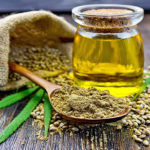
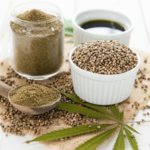
Hemp is an excellent food source. It provides nearly complete nutrition. Hemp seed is a complete source of essential amino acids (EAAs). Hemp provides significantly more of all 8 EFAs than its closest competitors (meat, eggs, tofu), while providing the types and amounts of amino acids the body needs to make serum albumin and serum globulins, two other amino acids essential to life. Hemp protein contains all 20 known amino acids.
Hemp seed has over 30% protein. 65% of the proteins in hemp foods are in the form of globulin edistin (the word edistin comes from the Greek word “edestos,” which means edible). Edistin is considered by many to be the most easily digestible protein. The other 35% of the protein in hemp is Albumin, another of the most easily digestible proteins. Soy commonly has more protein than hemp, at 35%, but soy protein contains tripsid inhibitors that block proteins absorption, and oligosaccharides, which cause upset stomach and gas. Hemp protein is the most easily digested protein, and has all 10 EAAs, making it the best source for protein on the planet.
Hemp seed is also a complete source of essential fatty acids (EFAs), with optimal amounts and proportions of Omega-6, Omega-3, and GLA. Hemp seed (30-35% oil) is the highest in total EFAs, at 80-81% of total oil volume, of any food source.
EFAs, by definition, are essential and must be obtained through diet, because the body can’t produce them. EFAs help regulate brain function, the immune system, the endocrine system, aid in digestion, circulation, and practically regulate all systems in the human body. EFAs turn themselves into whatever the body needs to regulate itself chemically. Many American’s are deficient in EFA. A diet rich in hemp seed would greatly help humans to maintain health and happiness.
The fact is that hemp is the only food source with all 10 EAAs and all 4 EFAs.
Body Care
Because of hemp oil's high EFA content, especially GLA, helps skin cells to communicate to rebuild cell membranes, which keeps the skin from getting dry.
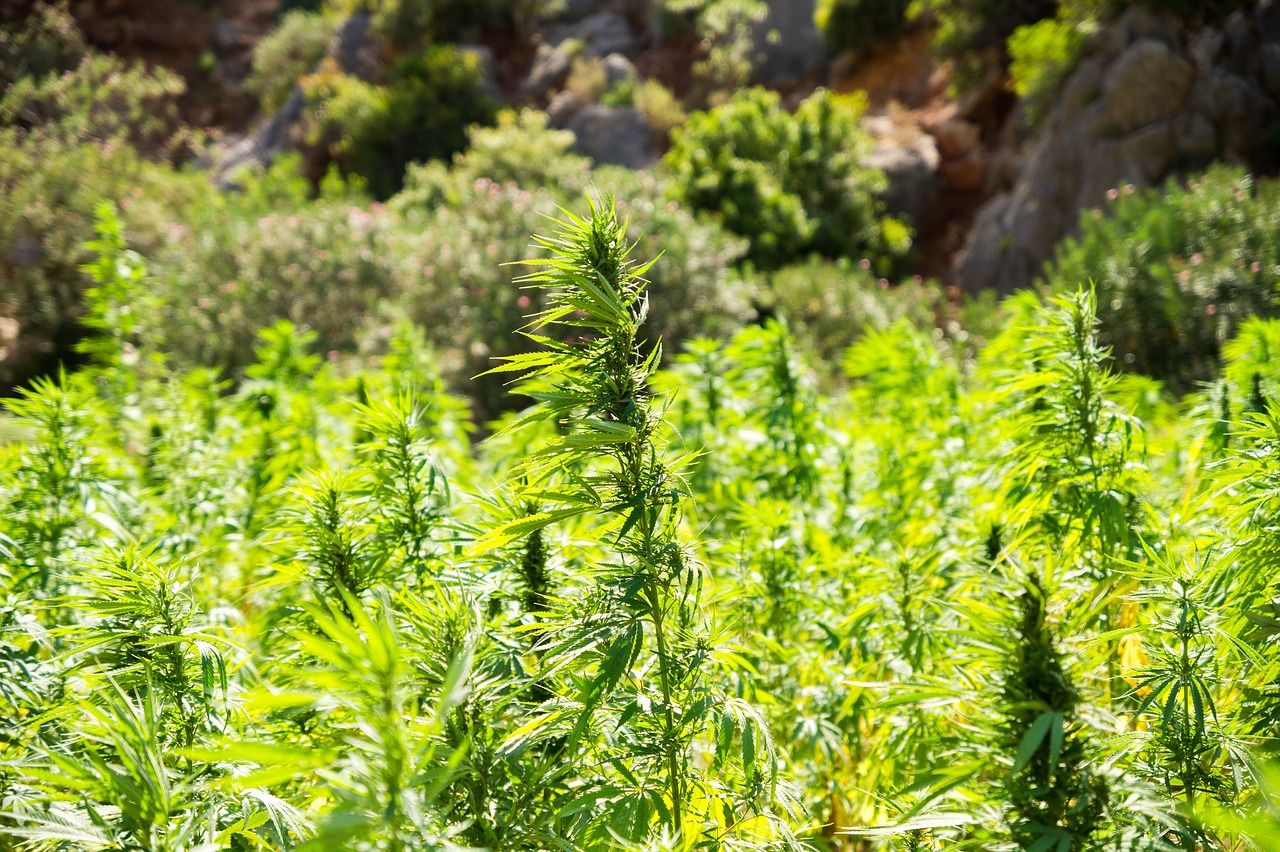
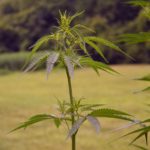
Alberta, Canada, hemp field two weeks after planting
Fiber
Hemp is among the longest, strongest, most elastic, and most durable fibers in nature. As far as natural fibers go, it yields some of the strongest and most durable fabric, cloth, canvas, cordage, and textiles. It is highly resistant to mildew, rotting, and is very anti-microbial.
Compared to cotton, hemp textiles are stronger, more durable, use one third the amount of water, and require no crop chemicals. Cotton uses 25-30% of the worlds toxic crop chemicals.
Alberta, Canada, hemp field eight weeks after planting
Building Materials
Hemp can make most building materials, including caulking, cement, fiberboard, flooring, insulation, paneling, particleboard, plaster, plywood, stucco, mortar, and biodegradable plastic.
Hemp can also be formed into cement-/concrete-like walls. This material is called hempcrete. Hempcrete is a building material that is formed by combining air-lime based binders with the chopped core of the hemp plant stem. It can be pored into a form almost identical to pouring concrete, or spray applied. Hempcrete homes are lightweight, fire-, water-, earthquake-, and rodent-resistant, have excellent thermal mass and insulation characteristics that allows the homes to breath, which saves money on heating and cooling costs, has high sound insulation, and good flexibility.
This building technique also sequesters a lot of carbon, reversing the damaging effects of greenhouse gases, providing one the best value materials for low impact, sustainable and commercially viable construction. The Roman aqueducts were most likely built this way, as were still active bridges in France dating to the sixth century. Homes such as these are being built in Europe today, and a new Chicago company called American Lime Technology is ready to use this technique here in the U.S.
Alberta, Canada, farmer inspects hemp crop, 1999
Cars
European plants are making auto panels from hemp based composites that are biodegradable, half the weight of, more durable, and safer than fiberglass counterparts. Most car companies are using 100% hemp car interior panels in all new models. Henry Ford made a hemp based car in the 1940’s that was more dent-resistant than steel. A sledgehammer blow could not even break the windows of these cars, which were made from hemp.
Fuel
Hemp seed oil can be used as fuel to drive cars, heat homes, and power industry. Hemp produces biomass, which can be converted into sulfur-free charcoal for electricity; plus ethanol, methanol and other sources of fuel. Burning biomass for energy, instead of fossil fuels, helps keep the carbon dioxide cycle in balance. Hemp can produces more biomass per acre than any plant practical for farming in the Midwest. One acre of hemp has the prospect of producing 10 tons of biomass in a growing season. Hemp energy could make the U.S. less dependent on foreign petroleum.
That being said, hemp is so valuable for its other uses that it wouldn't make sense for a producer to sell it for biofuel prices ($3/gallon); therefore it doesn't present a viable alternative to other biofuels. Hemp oil fetches $40 per gallon as a food or food additive. Fuel has the lowest potential value for the hemp farmer, therefore fuel would be the last industry to develop after all other possible industries have been exhausted.
Alberta, Canada, hemp field at harvest time
Oil
Hempseed oil can be made into non-toxic paints, varnishes, lubricants, and sealants. The paints last longer than other counterparts, and the sealants are better absorbed by wood than other toxic counterparts.
Environment
Hemp farming requires no toxic pesticides, herbicides, fungicides, and no fertilizer if grown in a proper crop rotation. Hemp roots anchor and aerate soil, reduce erosion, soil loss, and runoff, and also pull metals, toxins, and radioactive material from the soil turning it into organic material. Hemp is the ultimate green crop. It produces food, fiber, pulp, and cellulose for thousands of industries without any toxic chemicals needed in any of the processing.
Alberta, Canada, hemp field in harvest, 1999
Paper
Hemp can be used to make paper more durable and more environmentally-friendly than paper made from wood. The switch to hemp-based paper could reduce deforestation considerably. Hemp paper doesn't require toxic bleaching chemicals and lasts hundreds of years longer than paper made from trees. An acre of hemp will produce at least as much paper as an acre of trees, with far less adverse effects to the environment.
Feed & Animal Bedding
Hemp meal provides all the essential protein that livestock requires, yet doesn’t require any antibiotics to digest. Hemp seed is the preferred seed among songbirds. Birds will pick through other seeds to get at hemp seeds. Hemp is also an excellent animal bedding for horses and gerbils.
Alberta, Canada, hemp field in bloom, 1999
Plastics
Hemp is among the top cellulose producers of all farmable plants. Hemp hurds and fiber have over 60% cellulose, the building blocks of plastics. Biodegradable hemp plastics could reduce landfill waste and display unique strength characteristics.
Alberta, Canada, hemp field in harvest, 1999
The Economy
Hemp has a $500 billion estimated worldwide market, which, when tapped into by farmers would help reduce the corporate takeover of family farms. Hemp farming could create thousands of new jobs in the transportation, processing, and manufacturing facilities, and would generate millions of dollars for hard-working Americans. Canadian hemp is being trucked past barely-surviving US family farms.
Products made from Alberta, Canada, hemp crop, 1999
And, primarily and finally...
There is no good reason not to allow farmers, manufacturers and the rest of us to enjoy the benefits of domestically-produced hemp. The only reasons given for keeping hemp production illegal in the United States are lies. If the government will lie about a beneficial plant, what will it not lie about?
Alberta, Canada, hemp field kiss, 1999
|
|